
The Future of Landscaping in California: Why Eco-Friendly Design Is a Necessity, Not a Trend
California’s weather patterns are becoming increasingly unpredictable, with homeowners facing a combination of extended droughts, sudden storms, and higher temperatures. Eco-friendly landscaping isn’t merely a trend—it’s a way to safeguard water, soil health, and your home’s curb appeal while building resilience against our changing climate.
Why Eco-Friendly Landscaping Is Essential in California
Picture your yard as a sponge soaking up each raindrop and releasing it when the ground grows thirsty. That simple shift in mindset changes how you choose plants, materials, and irrigation, creating an outdoor space that works with the California climate, not against it.
Think of your garden as a sponge—soaking up rainwater, nourishing local wildlife, and cutting down on water use.
Market Growth And Sustainability
Homeowners are opting for sustainable designs in record numbers. Recent homeowner trends show that over half of Californians are investing in sustainable home improvements, with outdoor projects leading the way. The market for green landscaping services continues to climb as a result.
Key Industry Metrics:
- U.S. market size projected at $189 billion in 2025
- Global market near $275 billion in 2025
- U.S. CAGR around 3–6.5%
- Global CAGR forecast at 6.7% through 2030
Review the comparison below for U.S. and global growth forecasts:
Eco Friendly Landscaping Market Growth Comparison
| Region | 2025 Market Size | Projected CAGR (2025–2030) |
|---|---|---|
| U.S. | $189 billion | 3–6.5% |
| Global | $275 billion | 6.7% |
Notice how global growth outpaces the U.S., reflecting broader adoption overseas.
Environmental And Economic Benefits
Eco-friendly landscapes deliver tangible wins for both planet and pocket. Homeowners are recognizing that sustainable landscaping is more than just an environmental choice—it’s an investment in long-term value and resilience.
- Water savings of 30–60% with drought-tolerant planting
- Increased biodiversity through native species
- Lower carbon footprint by cutting down on mower runs and chemical inputs
- Higher property value thanks to modern, resilient design
Many California water districts offer rebates for efficient irrigation and drought-tolerant plantings, amplifying savings. These incentives, paired with lower maintenance costs, mean you can recoup your investment in just a few seasons.
Native plantings attract bees, butterflies, and birds—turning your yard into a thriving ecosystem. Reducing lawn areas and adding shade trees captures carbon and slashes cooling bills.
Learn more about how these practices are transforming California yards in 2025: Check out our detailed guide on sustainable landscaping transformation
Local Climate Adaptation
California’s seasons now veer between long dry spells and intense downpours that traditional turf simply can’t handle. These shifts are pushing property owners to rethink traditional landscaping in favor of sustainable, low-water, and climate-adaptive designs.
- Selecting drought-tolerant species that thrive on minimal moisture
- Installing smart irrigation with soil-moisture sensors
- Using mulches and permeable paving to prevent erosion
- Incorporating rainwater harvesting systems to recharge groundwater
California Landscape & Tree Pros (CLTP) stands apart by combining premium craftsmanship with eco-conscious solutions. Through smart irrigation upgrades, native plant design, and soil-friendly hardscaping, the company helps homeowners create outdoor spaces that are both beautiful and sustainable. CLTP’s design process emphasizes technology, efficiency, and quality—ensuring each project performs as well as it looks.
By understanding why eco-friendly landscaping is vital today, you’ll be ready to dive into practical strategies, ROI analysis, and long-term planning in the next chapters.
Landscape Solutions For Water Scarcity
California’s recurring droughts and sudden downpours have put traditional lawns on shaky ground. It’s become clear that water-wise landscapes aren’t a luxury—they’re a necessity.
Desert-savvy plant selections, a generous layer of mulch, and permeable hardscapes each help capture every precious drop.
Key Low Water Techniques
- Xeriscaping replaces thirsty turf with drought-tolerant plants that thrive on very little moisture.
- A thick mulch blanket reduces evaporation by 30%+ and keeps weeds in check.
- Permeable paving lets rain seep into the soil rather than creating runoff.
- Sensor-driven irrigation systems adjust watering based on real-time soil moisture readings.
Water scarcity is driving homeowners toward eco-friendly landscaping. Residential gardens can account for 30–60% of a household’s water usage, and the eco-landscaping sector is now a $40 billion market growing at about 10% annually. For a closer look at these figures, explore these landscaping industry statistics.
Need more detail? Dive into our guide on Designing For The Future How Water-Wise Landscapes Add Value and Sustainability To Your Property for step-by-step strategies.
Case Vignettes Of Resilient Gardens
In Salinas, one homeowner swapped turf grass for a palette of desert-adapted shrubs and mulched pathways. Water usage plunged by 50% within months, and storm runoff slowed noticeably.
“Smart irrigation and plant selection can transform parched yards into resilient havens.”
Further north in Monterey County, soil sensors now fine-tune irrigation schedules. The results speak volumes:
- Lower municipal water demand
- Healthier soil structure
- Reduced maintenance time and costs
Mulch beds and permeable pavers also act like a sponge—soaking up sudden downpours and recharging groundwater slowly.
Soil Health And Erosion Control
Healthy soil behaves like a reservoir, storing moisture and nutrients for thirsty roots. Mixing in compost and organic amendments improves soil structure and boosts infiltration rates.
Permeable pathways—gravel, open-joint pavers, or decomposed granite—invite rain to sink in, cutting down on runoff and working in harmony with drip irrigation.
| Technique | Main Benefit |
|---|---|
| Mulch Application | 30%+ moisture retention |
| Permeable Pavers | Reduced runoff |
| Native Plantings | Lower water needs |
These solutions tackle California’s water challenges head-on. By marrying eco-conscious design with smart technology, you’ll see smaller water bills and less waste.
“Our yard went from brown and brittle to lush and drought tough, saving 60% water.” — Monterey County homeowner
These stories prove eco-friendly landscaping isn’t a trend—it’s our future. Upgrading now can cut irrigation costs by up to 40%, with rebates available through local water agencies. For homeowners across Monterey County, Salinas, and the Bay Area, now is the ideal time to future-proof your property with a sustainable landscape.
How Generational Trends Shape Sustainable Landscaping
Younger homeowners are rewriting the rules, bringing ecology, wellness and smart tech together in one dynamic backyard. They view their outdoor areas as living retreats—spaces that care for wildlife and boost personal well-being.
For instance, Gen Z and Millennial buyers gravitate toward:
- Pollinator gardens that draw bees, butterflies and hummingbirds
- App-controlled irrigation with weather-triggered schedules
- Organic lawn care free from synthetic fertilizers and pesticides
- Rainwater harvesting subscriptions to balance seasonal water needs
This eco-first mindset has turned sustainable landscaping into a baseline expectation, not a luxury.
Emerging Service Models
Landscape pros are responding with new service blueprints that match younger generations’ on-demand habits. Subscription-style rainwater programs let customers bank credits and smooth out bills year-round. Meanwhile, organic lawn care on a flexible schedule replaces one-size-fits-all maintenance plans.
- Pay-as-you-go water harvesting
- Customizable care calendars via mobile apps
- Instant service adjustments at the tap of a button
“Gen Z and Millennials expect services to match their tech-first lifestyles, making sustainable landscaping essential by default.”
Those shifting preferences line up with spending habits. Recent data shows 46.2% of Gen Z and 43.9% of Millennials plan to boost their budgets for gardening and landscaping, with a clear lean toward native plants, sustainable solutions and health-focused green spaces. Read the full breakdown of these spending trends.
Gen Tech And Wellness Focus
Today’s eco-conscious homeowners monitor soil moisture and air quality on their phones. They merge wellness metrics—like stress relief and improved air purity—into landscape design.
Typical features include:
- Real-time moisture alerts sent straight to your device
- AI-driven watering schedules that adapt to local forecasts
- Pollinator visit notifications offering live ecosystem insights
California Landscape & Tree Pros stands ready to meet these exacting standards. From selecting native plant palettes to installing precision irrigation, their team combines craftsmanship with eco-conscious solutions. Every project blends smart tech and quality materials so your landscape performs as well as it looks.
Learn more about designing outdoor retreats that truly work for you in our guide: Designing Everyday Retreats From Empty Yards.
By tapping into these generational preferences, landscape professionals build lasting loyalty and prove that eco-friendly design is here to stay. Next up, we’ll dive into hands-on design strategies and maintenance tips that make California landscapes thrive—complete with ROI analysis and locally tested methods.
Implement Eco Friendly Landscape Strategies
Now that we’ve mapped out the climate pressures California gardens face, it’s time to roll up our sleeves. These hands-on tactics will shape a yard that’s both water wise and beautifully resilient.
Starting With Smart Drip Irrigation
Imagine a nurse delivering an IV—every drop goes exactly where it’s needed. Drip irrigation works the same way, sending a slow, steady stream of water straight to thirsty roots. You’ll see less runoff, deeper root systems, and healthier plants.
- Group plants by water requirements before laying out tubing.
- Secure lines around each root zone with stakes or clips.
- Attach a filter and pressure regulator at the spigot for clean, steady flow.
- Snap emitters a few inches from stems to maximize absorption.
“A well-designed drip system can cut outdoor water use by 50%,” says a Monterey County gardener.
Choosing Native And Drought Tolerant Plants
Plants that evolved here know how to handle sparse rains and rocky soils. They reward you with:
- Deep roots that tap hidden moisture
- Seasonal blooms that support bees and butterflies
- A low-care habit that trims your irrigation bill
Inspired by these species? Dive into our guide on Native Natural and Beautiful The Modern Approach to Drought-Tolerant Landscaping for curated plant lists and layout ideas.
Enhancing Soil Health And Infiltration
Think of your soil as a giant sponge—the better its structure, the more water it holds. Boost infiltration rates with:
- Compost or aged manure folded into the topsoil
- A 2–3 inch layer of organic mulch to stabilize temperatures
- Little “worm hotels” built from leaf litter and wood chips
These simple steps help your yard sip, not gulp, when you water.
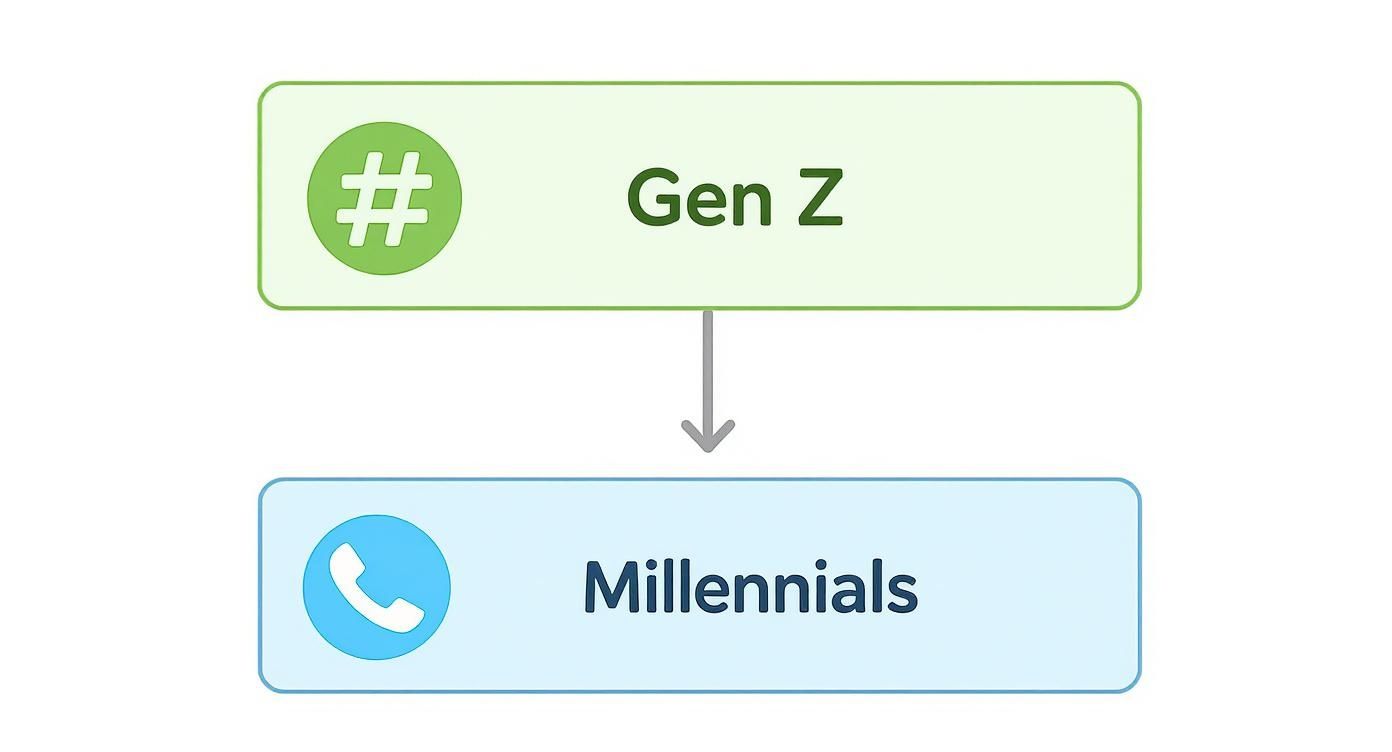
The visual above tracks how Gen Z (hashtag icon) and Millennials (phone icon) approach sustainable landscaping. Gen Z zeros in on pollinator gardens, while Millennials favor precision watering and low-maintenance natives.
Integrating Permeable Surfaces
When rain hits your patio, you want it soaking in, not sweeping away topsoil. Permeable paving options include:
- Gravel paths held in place by stabilizing grids
- Open-joint pavers laid on a bed of sand
- Decomposed granite seating areas that still look sharp
“Permeable patios intercept 100% of light rains, significantly lowering flood risks,” notes a Salinas landscaper.
Planning Strategic Tree Canopy
A well-placed shade tree does more than cool things down. It slows evaporation and trims your water bill. For an effective canopy:
- Choose drought-tolerant oaks or redbuds
- Plant to shield west-facing patios from the afternoon sun
- Prune branches to maintain structure and airflow
Boosting canopy cover by 15% can cut landscape water needs by 10–20%.
Comparison Of Eco Friendly Landscape Techniques
Here’s a quick side-by-side look at how each tactic stacks up:
| Strategy | Benefits | Considerations |
|---|---|---|
| Drip Irrigation | 50% water savings, root-level watering | Needs upfront setup and regular filter checks |
| Native Planting | Low irrigation, wildlife habitat | Can take a couple of seasons to fill in |
| Soil Amendments | Better moisture retention, nutrient boost | Labor-intensive, sourcing compost |
| Permeable Paving | Captures rain, reduces runoff | Higher initial cost than standard slabs |
| Tree Canopy Planning | Cools landscape, cuts evaporation | Requires time to mature and periodic pruning |
Comparing these tactics side by side helps you plan around budget, timeline, and long-term goals.
Putting It All Together
Each of these strategies shines on its own—but layered together, they turn a garden into a self-regulating ecosystem. Drip lines feed roots on demand. Native plants reach deep for moisture. Permeable hardscapes catch every drop.
California Landscape & Tree Pros brings these approaches to life. From precision irrigation upgrades to soil-friendly hardscape design and curated native plantings, they ensure your yard isn’t just beautiful—it’s future-proof.
Ready to see your landscape thrive through droughts and deluges? Contact California Landscape & Tree Pros today and start your eco-friendly transformation.
Evaluate ROI And Regulations For Sustainable Landscapes
Going green isn’t just about curb appeal—it’s an investment you can actually measure. By embracing eco-friendly landscaping, Californians are seeing higher property values, lower utility bills, and even cash rebates.
In a state battling drought and rising water costs, sustainable yards stand out. Research shows well-designed eco-landscapes can elevate resale prices by up to 10%, making them one of the handful of home improvements that truly pay off.
With water rates climbing and drought regulations tightening, the pressure is on. Switching to smart irrigation and native plant palettes can trim your water bill by 30–50%, according to the California Water Boards.
Key Financial Metrics
Understanding the numbers behind your project turns good intentions into solid returns. Here’s how eco-upgrades stack up:
- Property Appreciation: Up to 10% boost in resale value
- Maintenance Savings: 20–40% lower annual care costs thanks to drought-tolerant plants
- Rebate Eligibility: Cash back for high-efficiency irrigation and waterwise landscaping
| Benefit | Impact |
|---|---|
| Property Value | Up to 10% increase in resale price |
| Water Bill Reduction | Saves 30–50% on annual irrigation costs |
| Rebate Amount | Up to $2,000 per system installation |
Combined, these figures reveal why smart landscaping is more than a trend—it’s sound financial planning.
Navigating Local Regulations
California’s xeriscape ordinances spell out which plants you can use and how irrigation must be handled. Getting these details right from day one avoids fines and unlocks rebate programs.
Many water agencies in Monterey County and the Bay Area are offering up to $2,000 per irrigation upgrade. This support can slash your upfront costs and speed up your payback.
- Review local xeriscape and landscaping ordinances to align plant choices and irrigation methods with municipal rules.
- Submit permit applications early to stay on schedule and pass municipal reviews.
- Partner with seasoned professionals to handle technical specs and ensure you claim every available rebate.
$2,000 average rebate amount available through state and local water efficiency programs.
Documenting equipment specs and plant lists before installation makes for a smoother approval process and faster payouts.
You might be interested in irrigation and lighting upgrades? Read our guide: Monterey County Irrigation And Outdoor Lighting Solutions
Calculating Payback Period
A clear payback analysis shows when your investment starts earning. Let’s look at an example:
Consider a $5,000 smart irrigation system that qualifies for a $1,000 rebate. With $600 in yearly water savings, you break even in under 7 years.
- Small layout: $3,000 cost, $400 rebate, $300 annual savings → payback in 8 years
- Medium system: $7,500 cost, $1,200 rebate, $900 annual savings → payback in 7 years
- Large estate: $15,000 cost, $2,500 rebate, $1,800 annual savings → payback in 7 years
The California Landscape & Tree Pros team will tailor these estimates to your property. Working together from the start guarantees accurate budgeting and smooth regulatory compliance.
These numbers underscore a simple truth: eco-friendly landscaping isn’t optional—it’s essential. Ready to see real returns?
Begin your sustainable transformation with CLTP today.
California Landscaping Success Stories
Homeowners across California are witnessing a real shift—yards that thrive, conserve water, and brighten neighborhoods. These case studies show how eco-friendly design is no longer a luxury but a practical necessity.
Each project tackles local quirks—from heavy clay to soggy coastal soil—while meeting regulatory standards and delivering lasting beauty. The payoff? Big savings, low upkeep, and landscapes that stand the test of drought and heat.
Monterey County Transformation
A Salinas Ridge homeowner was battling clay soil that simply shed water. Standard sprinklers only made puddles and kept roots shallow.
California Landscape & Tree Pros tackled the problem by installing a sensor-driven drip system and regrading the beds so rain soaks in like a sponge.
Key Outcomes
- 55% reduction in water use—45,000 gallons saved in year one (California Water Board, 2024)
- Native grasses and drought-tolerant shrubs cut irrigation needs in half
- 75% less time spent on upkeep
“Our yard now outperforms any traditional lawn,” says the Monterey County client.
Salinas Smart Garden
Too much turf and too much water created fungal spots and muddy patches after every storm. Monthly bills were climbing, and the yard looked worse for wear.
CLTP replaced the lawn with California poppies, sages, and winding decomposed granite paths. Smart sensors linked to weather forecasts pause irrigation before it even starts to rain.
Results At A Glance
- Annual water savings of 30,000 gallons—45% drop in municipal use
- 60% less erosion thanks to permeable walkways
- A local rebate chipped in $1,200 toward the upgrades
“My garden looks better with less effort—and I see real savings,” the Salinas homeowner reports.
Bay Area Climate Oasis
In San Jose, a small urban yard baked under summer sun. Hard-packed soil and solid pavers made things worse.
CLTP’s team carved out a tiered rain garden, swapped half the patio for permeable pavers, and planted trees to cast cool, shady corridors.
Project Highlights
- Captured 100% of light rains, storing 50,000 gallons each wet season
- Patio temperature dropped by 10°F at peak heat
- Home value climbed 8%, proving eco-friendly landscaping pays off
“This space is my cool retreat during heat waves,” says the Bay Area homeowner.
| Location | Water Saved | Maintenance Time | ROI Increase |
|---|---|---|---|
| Monterey County | 45,000 gal/yr | 75% less | 6% |
| Salinas | 30,000 gal/yr | 50% less | 7% |
| Bay Area | 50,000 gal/yr | 65% less | 8% |
These success stories share four pillars:
- Smart Irrigation tailored to soil and weather
- Native Flora chosen for low water needs
- Permeable Materials that capture and filter rain
- Premium Craftsmanship ensuring every detail counts
Ready to bring your yard into California’s sustainable future? Contact California Landscape & Tree Pros to explore eco-friendly design solutions that protect your home, reduce water waste, and bring lasting natural beauty to your outdoor space.
Frequently Asked Questions
Why is eco-friendly landscaping now considered a necessity in California?
California’s increasingly unpredictable weather, marked by severe droughts and sudden, intense storms, makes traditional landscaping unsustainable. Eco-friendly design is a necessity because it creates resilient, low-water landscapes that conserve our most precious resource, prevent soil erosion, and can better withstand environmental stress while maintaining curb appeal.
Where Do I Even Start With a Sustainable Landscape?
Getting started is less about a huge overhaul and more about a smart assessment. A great first step is to understand your soil and your current water use. From there, we can look at swapping out thirsty plants for beautiful California natives and installing a smart drip irrigation system. We offer on-site evaluations to help you create a practical, step-by-step plan.
Are There Any Rebates to Help With the Cost?
Absolutely. Many water districts across California are eager to help homeowners make the switch. They often provide generous rebates for things like high-efficiency irrigation systems and for replacing turf with drought-tolerant plants. We stay on top of these programs and can help you find the right ones for your project and even handle the paperwork.
“Choosing smart irrigation can save up to 60% on outdoor water use.” — California Water Boards
Realistically, How Much Water Will I Save?
It varies a bit based on your specific yard, but most homeowners see their outdoor water use drop by a staggering 30% to 60% after making the switch. The biggest factors are your plant choices, your local climate, and how much we improve your soil health to retain moisture naturally.
Will an Eco-Friendly Yard Actually Increase My Home's Value?
Yes, it really does. Studies have shown that a well-designed, eco-friendly landscape can boost your property's resale value by as much as 10%. In a competitive market, a beautiful, low-water yard is a huge selling point that makes your home much more attractive to potential buyers.
Ready to create an outdoor space that’s beautiful, resilient, and good for the planet? For homeowners across Monterey County, Salinas, and the Bay Area, now is the ideal time to future-proof your property. Contact California Landscape & Tree Pros today to explore eco-friendly design solutions that protect your home, reduce water waste, and bring lasting natural beauty to your outdoor space.